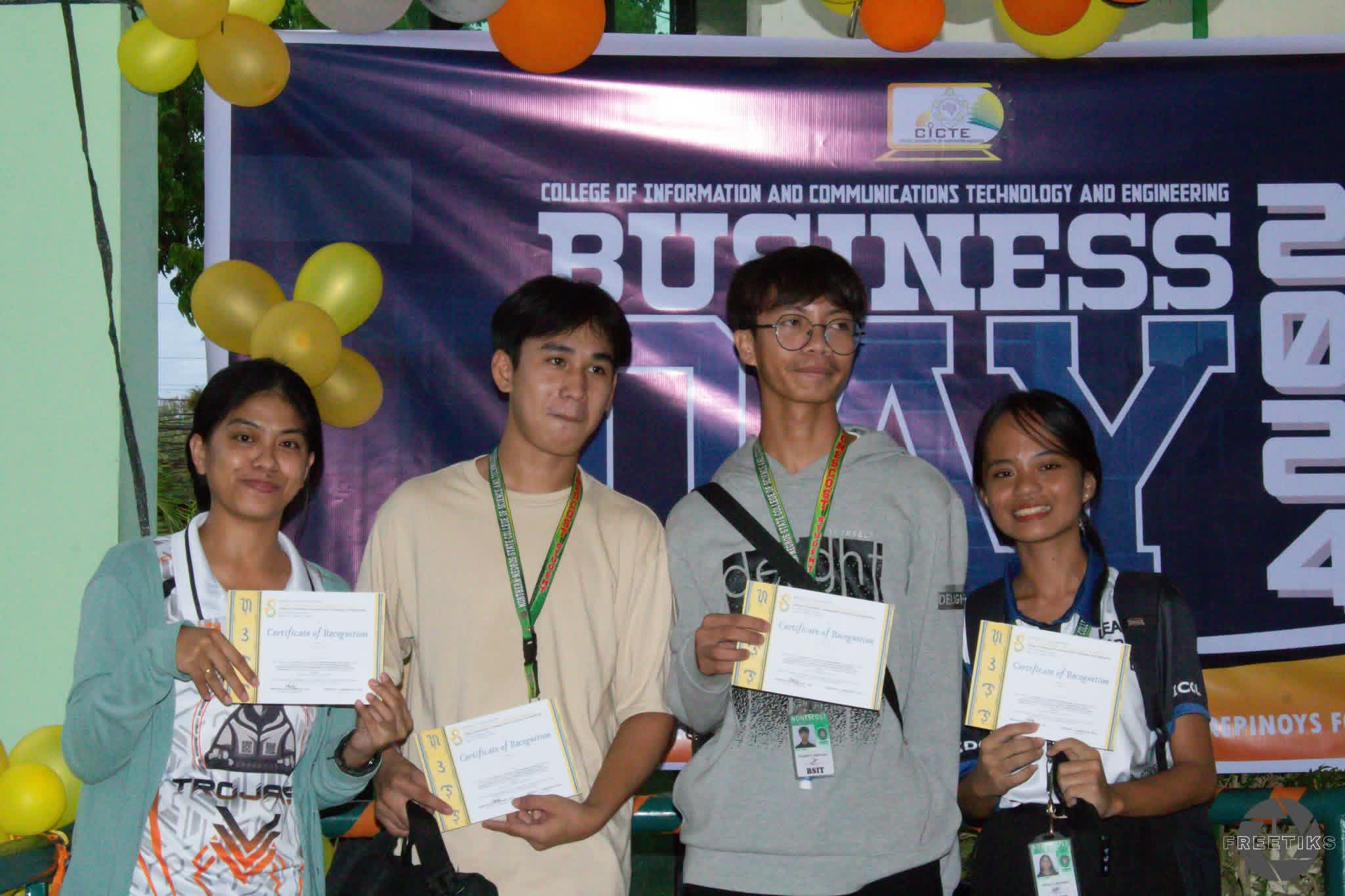
The beginning was bigger than the result
In 2024, I joined my first hackathon with collaborators who were also learning, experimenting, and trying to understand what it meant to build under pressure. We did not have a perfect process or years of experience behind us. What we had was curiosity, a willingness to divide the work, and enough courage to start.
A hackathon compresses the entire development journey into a short window. An idea has to become a plan, the plan has to become a working interface, and the interface has to communicate a useful solution before time runs out. Every decision becomes visible: what to prioritize, what to simplify, and what to leave for later.
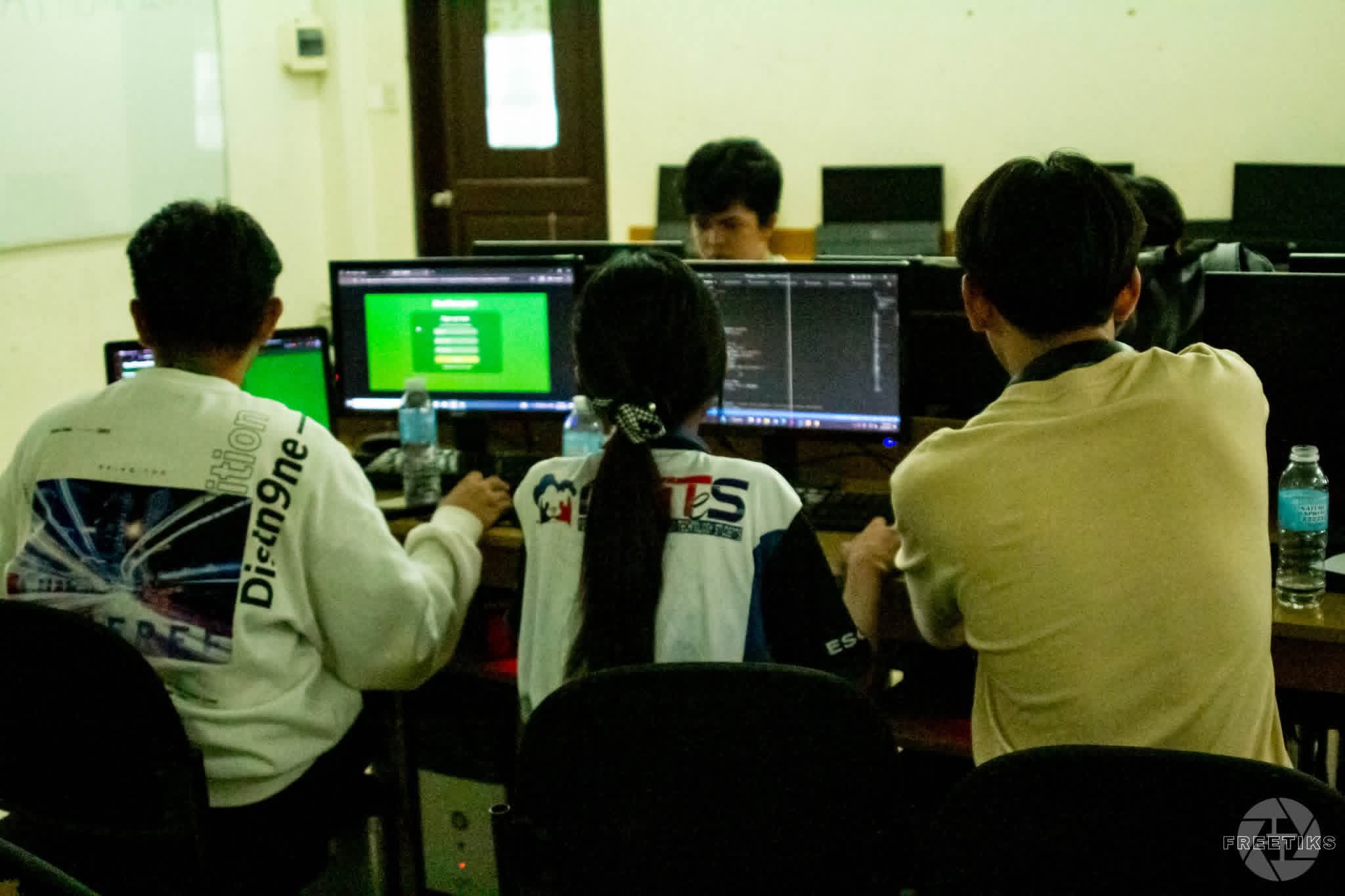
Learning to build as a team
The most important lesson was that collaboration is not just assigning tasks. It is creating enough trust for people to ask questions, admit when something is unclear, and share an unfinished idea without fear. We had different strengths, so progress came from combining them instead of trying to make everyone work the same way.
Some moments were spent writing code. Others were spent explaining the problem again, reviewing a screen, fixing a broken flow, or deciding which feature mattered most to the people we were trying to help. Those conversations were part of the product too. They helped us turn separate pieces of work into one story.
I learned that a good teammate is not only the person who finishes their assigned task. A good teammate notices what is blocking the group, communicates early, and helps the whole team move forward. That mindset has stayed with me in every project since then.
When the pressure became a teacher
There were moments when the time limit made every bug feel larger than it was. A feature that looked simple could reveal a new edge case. A design that looked finished could feel confusing once someone else tried to use it. We had to learn not to protect our first idea. We had to listen, test, adjust, and keep the useful parts.
That experience changed how I think about development. Growth is rarely a straight line from knowing nothing to knowing everything. It is a series of small corrections: understanding the requirement more clearly, making the code easier to change, asking for feedback sooner, and choosing a reliable solution over an impressive but unfinished one.
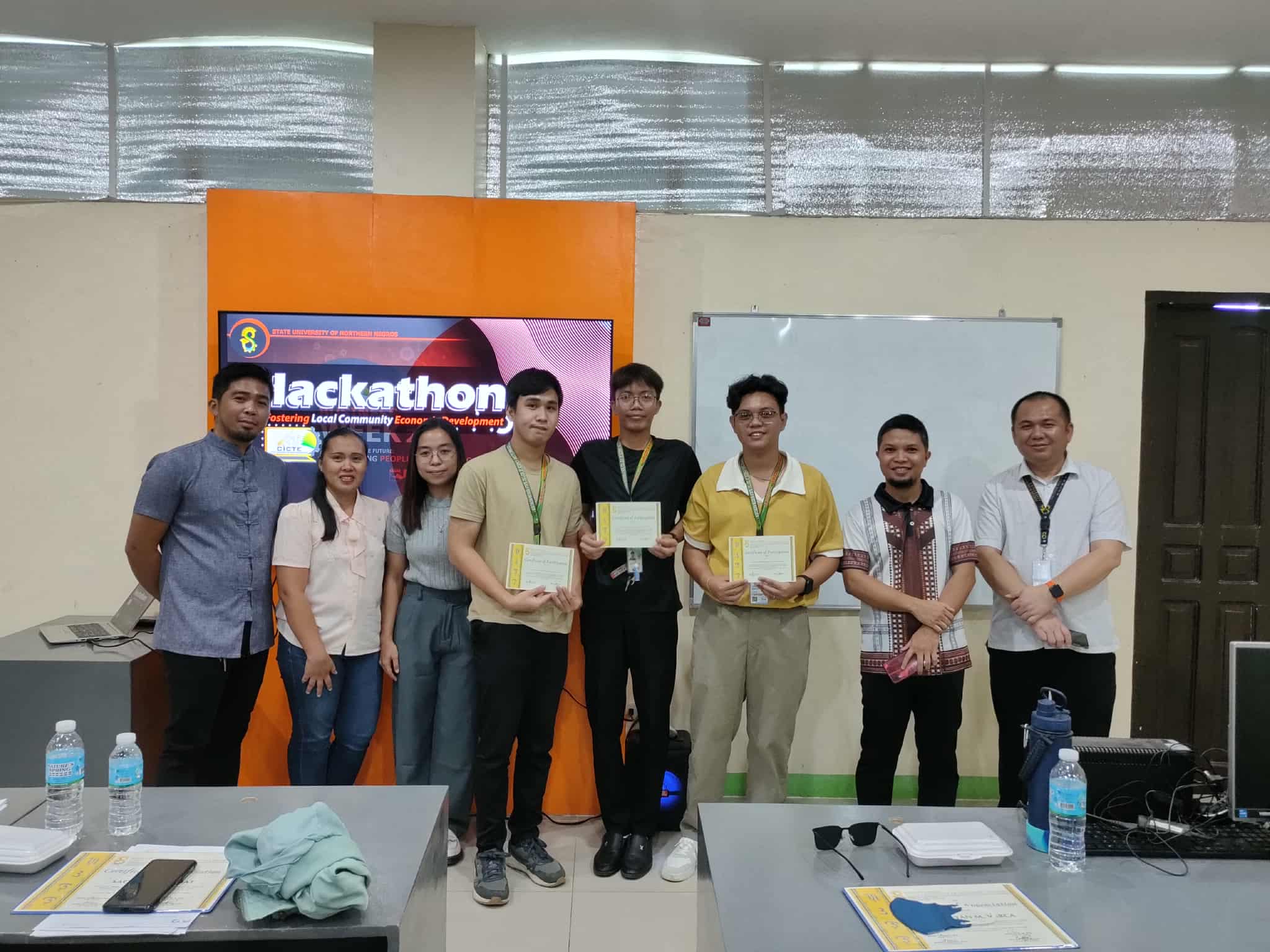
First runner-up, first real proof
When our team received first runner-up, the recognition meant more than a place on a list. It was proof that our shared effort had become something understandable and valuable to other people. It also gave me a healthier definition of success. Winning is meaningful, but the deeper achievement was discovering that I could contribute to a team, learn quickly, and finish something difficult.
That first result gave me the confidence to keep building. It encouraged me to explore full-stack systems, practical interfaces, automation, and AI-assisted tools. More importantly, it made me less afraid of problems I did not yet know how to solve. I learned that not knowing is not a reason to stop; it is the starting point of the next useful question.
What I carry forward
My first hackathon taught me to start before I feel completely ready. It taught me to value clear communication as much as technical ability, and to treat feedback as part of the building process rather than as a judgment of the person who built it.
Every project I work on now carries something from that experience: the habit of simplifying the problem, the patience to explain an idea, the discipline to finish the important path, and the belief that good software is built with people, not just with tools.
If you are considering your first hackathon or your first serious project, you do not need to arrive as an expert. Arrive ready to learn, ready to help, and ready to keep going after the first plan changes. The result may surprise you, but the growth will stay with you much longer.