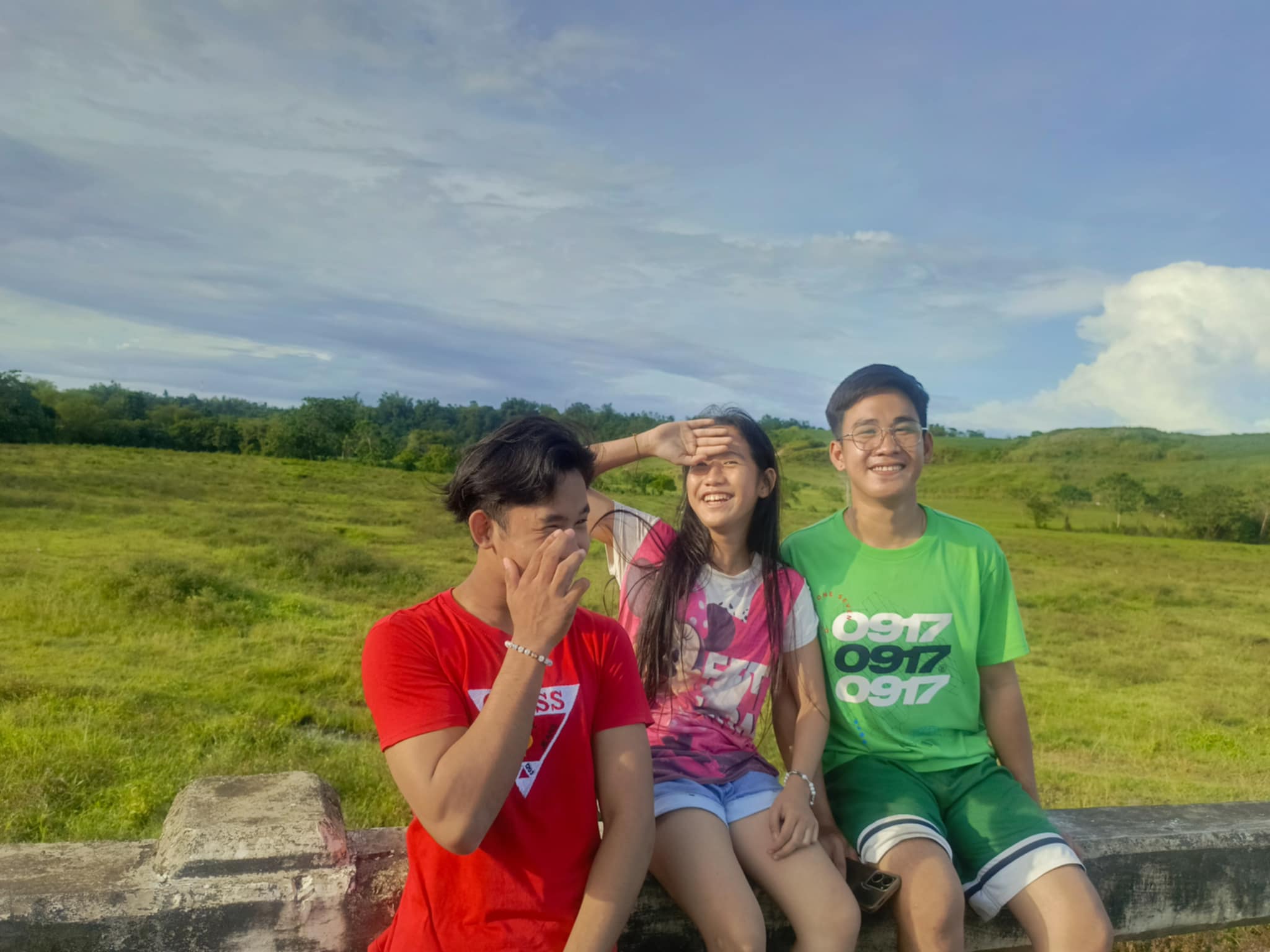
When I look back at my journey, I do not see only a timeline of schools, projects, and awards. I see people. I see my brother and sister, the friends who became like siblings, the classmates who stayed late to finish a system, and the mentors who helped us believe that our ideas deserved to exist.
My mother is no longer with us in the way a family hopes for, and that absence has been painful. But my siblings and I learned to remain strong together. That bond became a quiet source of courage. It taught me that strength does not always look loud or impressive. Sometimes it is simply choosing to continue, to care, and to show up for the people who matter.
The first spark
I started at Northern Negros College, taking a Bachelor of Science in Computer Science. I loved the people there. My friends were more than classmates; they felt like brothers and sisters who made difficult days lighter and exciting days more meaningful. At that time, I was studying with a clear picture of the future I wanted. I worked hard because I believed education could help me build a better life and share that future with someone I loved.
But I only stayed at Northern Negros College for a few months. Financial problems made continuing difficult, and an unexpected relational loss broke something in me that I had not yet learned how to heal. I had been carrying the pain of that chapter while trying to keep moving forward. When that dream was suddenly shattered, I did not feel like the same student anymore. My motivation became harder to recognize, and there were days when depression made even ordinary things feel heavy.
During our first year, our first capstone became a turning point. We were still learning how to build, explain, and defend a real system, but the process gave my curiosity somewhere to go. I began to understand that software was not only about writing code. It was about asking better questions and imagining what technology could do for ordinary people. That was where the journey truly began: with friends beside me, a screen in front of us, and a growing desire to build something that felt useful.
From Alpha to a bigger idea
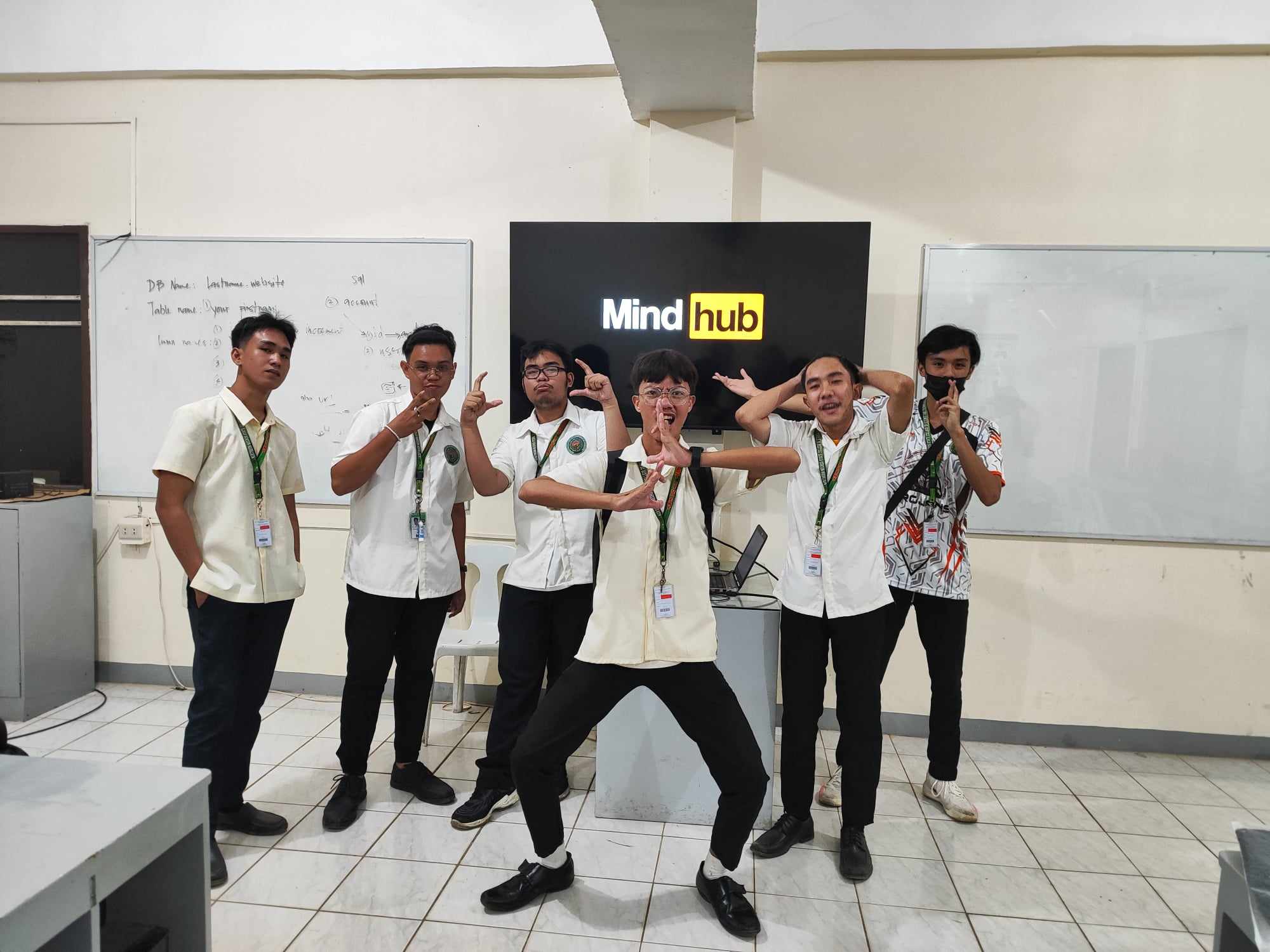
That curiosity became a little greedy in the best sense: I wanted to know what else was possible. I started experimenting with a personal virtual intelligence chatbot called Alpha. At first, Alpha was simple and rule-based, responding with hardcoded messages. It could open links, search for music, and help with small interactions.
It was not perfect, but it was alive with possibility. Alpha became PV Connect, our first-year capstone: a learning space with note-taking, search, a music player, and an AI assistant. Each version taught me something different about interfaces, systems, and the responsibility that comes with building tools people can actually use.
Later, that same line of curiosity grew into PVIBot Alpha, Alex, Davis, and other experiments. I started with rule-based access, writing the conditions that told the assistant how to respond. Then I connected APIs so it could reach beyond what I had hardcoded. Over time, I learned to combine APIs and rules: structure for predictable actions, and flexibility for richer conversations.
Eventually, I wanted to understand the intelligence underneath the interface, not only the interface itself. That curiosity led me to explore my own small language model, Alex Nano 5.6 Flux, with seven billion parameters. It became another chapter in the same journey—from simple rules, to connected services, to learning how language models are built. The names changed, but the purpose stayed the same: to make technology feel more helpful, personal, and human.
The win that made the work feel real
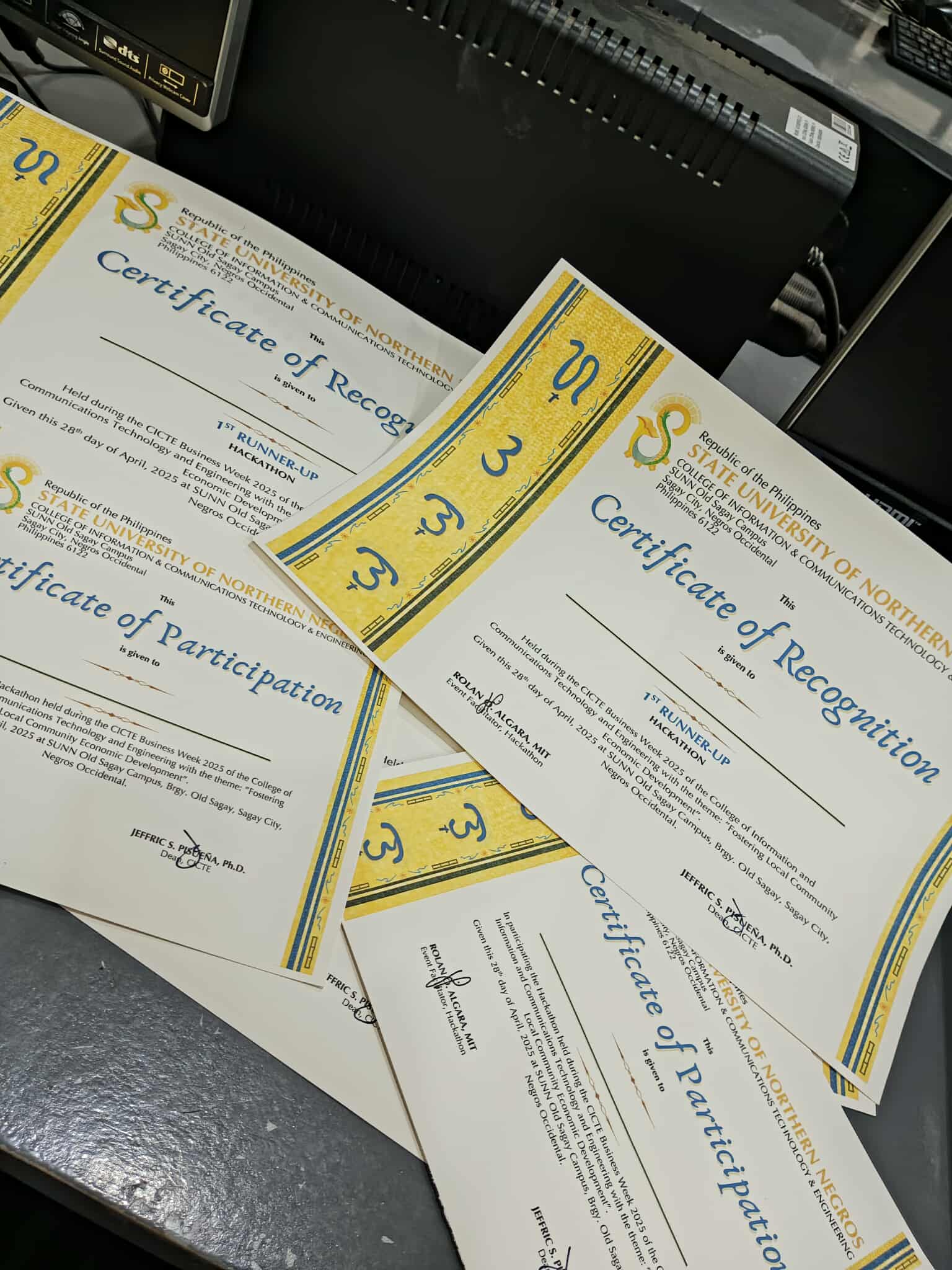
In 2025, PVibot helped us win first place at a hackathon. We built Gabay, a teachable AI assistant with suggestion chips and a clear purpose. The award mattered, but the deeper reward was seeing an idea that began as an experiment become something people could understand and appreciate. Alpha had started as a small curiosity; now its descendants were helping us create something ambitious enough to stand out.
That win reminded me that a good project is never only one person’s achievement. It carries the patience of collaborators, the advice of teachers, the late nights of debugging, and the courage to present something before it feels completely finished.
Changing schools without leaving the journey behind
Because of financial challenges, I had to transfer from Northern Negros College to the State University of Northern Negros. Leaving my first school and the friends who had become like siblings was difficult. It felt like a chapter was being closed before I was ready. I did not transfer because I suddenly had everything figured out. I transferred because, at the time, continuing my studies felt like the path my family hoped I would take—and honestly, it also felt like a path I could not afford to abandon.
At first, I was not returning to school with a bright, carefully planned vision. I was trying to survive a season I did not understand. Part of me was still grieving the future I thought I would have. Part of me felt depressed, tired, and unfinished. But I also began to tell myself that maybe I could still find something there: a reason to enjoy student life again, new people to learn with, and a small chance to start becoming myself again.
Changing direction did not erase what I had built. It carried the lessons forward. At SUNN, I found new collaborators, new challenges, and new opportunities to keep growing. Slowly, studying became more than an obligation. It became a place where curiosity could return, where friendships could form, and where I could rebuild a future that belonged to me—not the future I had lost, but a new one I was learning to imagine.
Still becoming
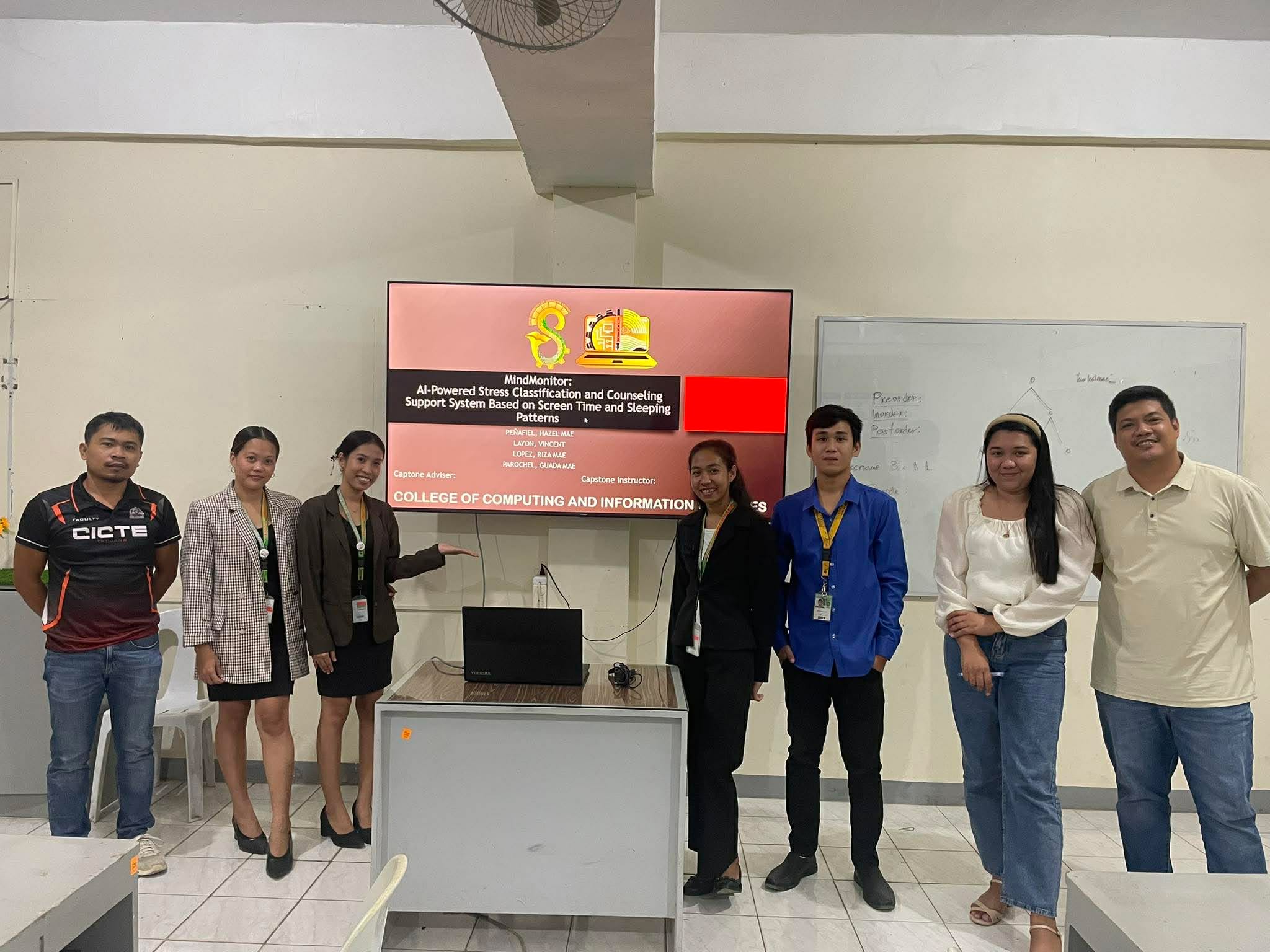
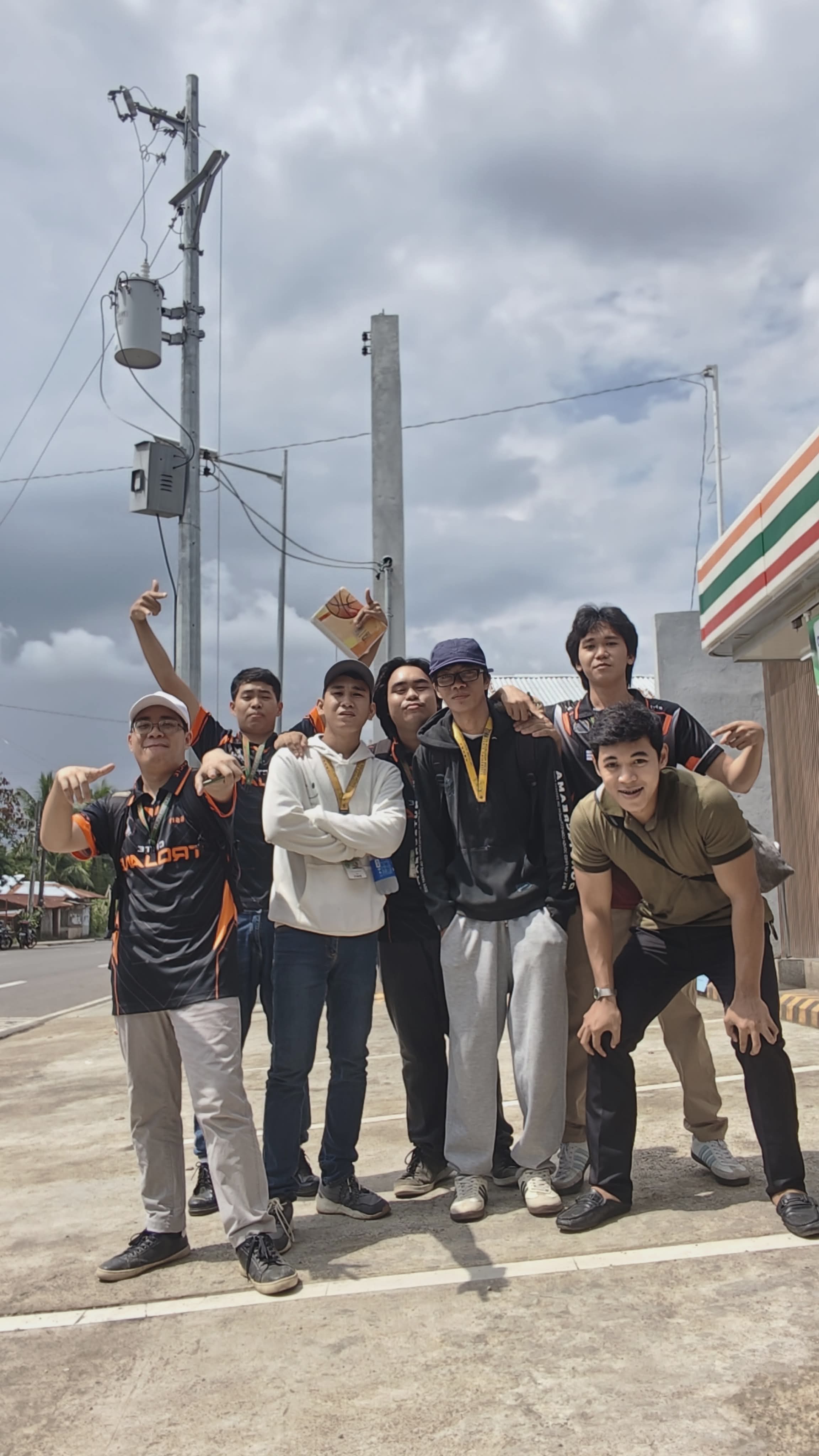
Our third-year work was captured during the summer, when another capstone and another group of friends gave me a fresh view of how much we had grown. The people in these photographs represent different chapters, but they are connected by the same spirit: curiosity, effort, humor, and the belief that we can create something better together.
I am still learning. I am still making mistakes. I am still trying to build technology with soul. But now I know that growth is not measured only by how advanced the final product looks. It is also measured by how much resilience, care, and understanding we bring into the process.
This is where my strength comes from: family that stayed strong, friends who became siblings, and the decision to continue even when continuing was the only thing I could do. I once thought my journey began with a degree or a project. Now I understand that it began much earlier—in the middle of loss, uncertainty, and the quiet choice to try again. The journey continues every time I choose to learn, build, enjoy the life in front of me, and believe that a different future can still be beautiful.